
2–2. CRAFT / DESIGN & PATTERN
Design
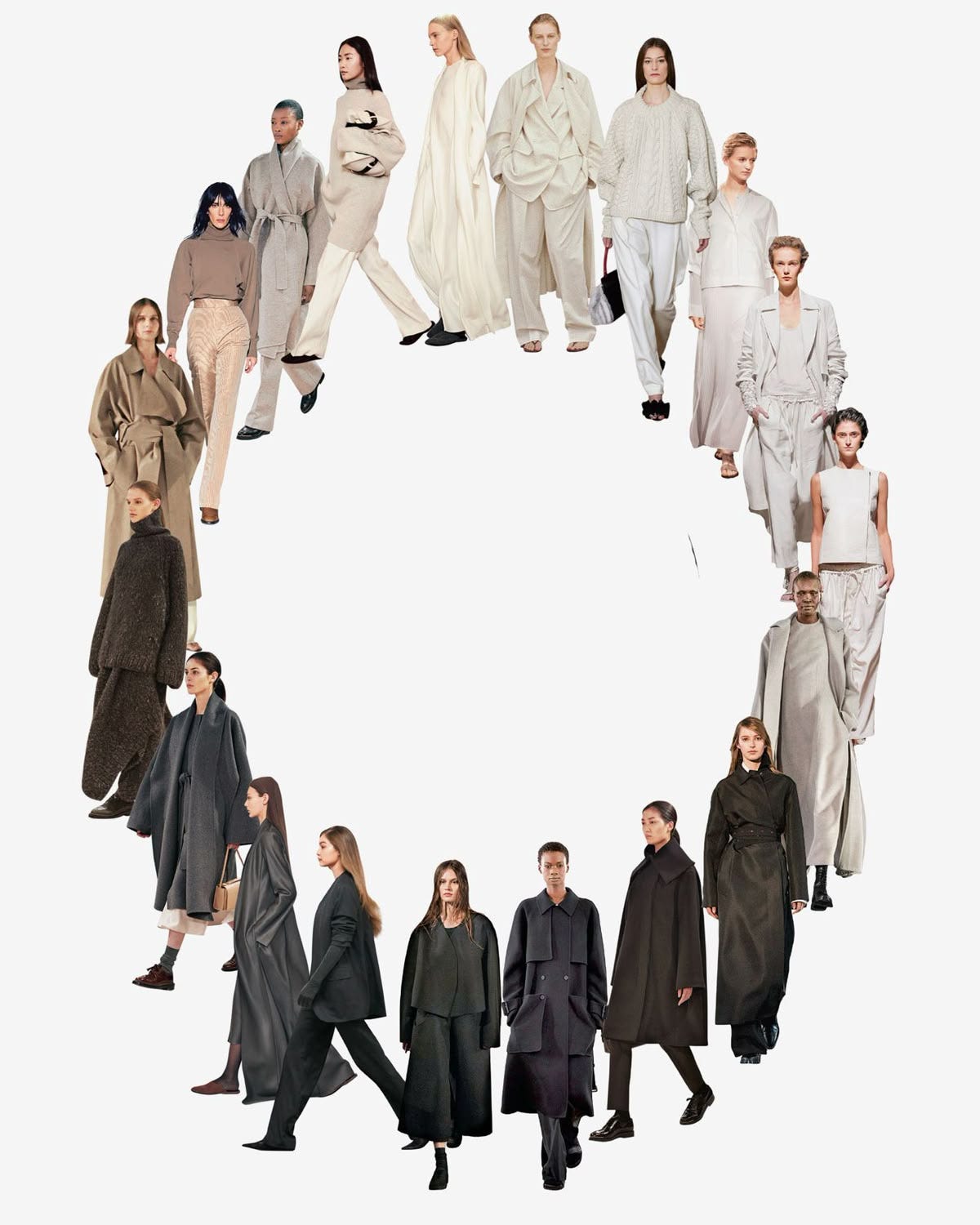
Design does not begin and end with a sudden flash of inspiration.
It is closer to the moment when something long observed, long worn, and long accumulated finally takes shape.
That is where ARCHENIS begins as well.
Since middle school, I have spent years looking at clothes and wearing them myself. Over time, I built a sense of what feels beautiful and what stays with you.
What held my attention was never just which clothes caught the eye. It was which clothes made a person look better.

As the author of a fashion e-book that reached roughly USD 66,000 in cumulative sales that result came from something much older than the product itself — an obsessive passion for fashion that had been at the center of my life since childhood.
And that source of inspiration is still expanding.
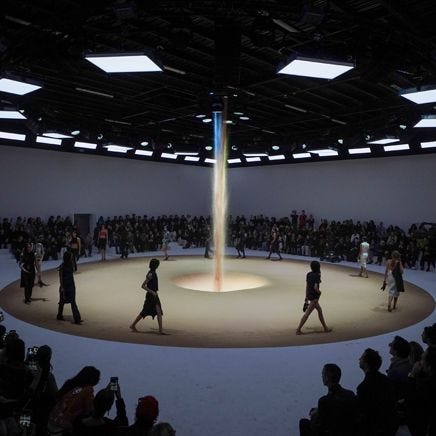
I watch the latest global runway shows alongside past collections. I pay close attention to the way people dress on the subway, in cafes, on the street, and even in elevators.
There is always a gap between the avant-garde energy of fashion shows and the clothes people actually live in.
ARCHENIS cares deeply about narrowing that distance. We look for the point where ideal and reality meet in the best possible balance.
When I travel, I make a point of visiting local concept stores. I take notes on silhouettes I pass on the street and styling choices that appear when I least expect them.
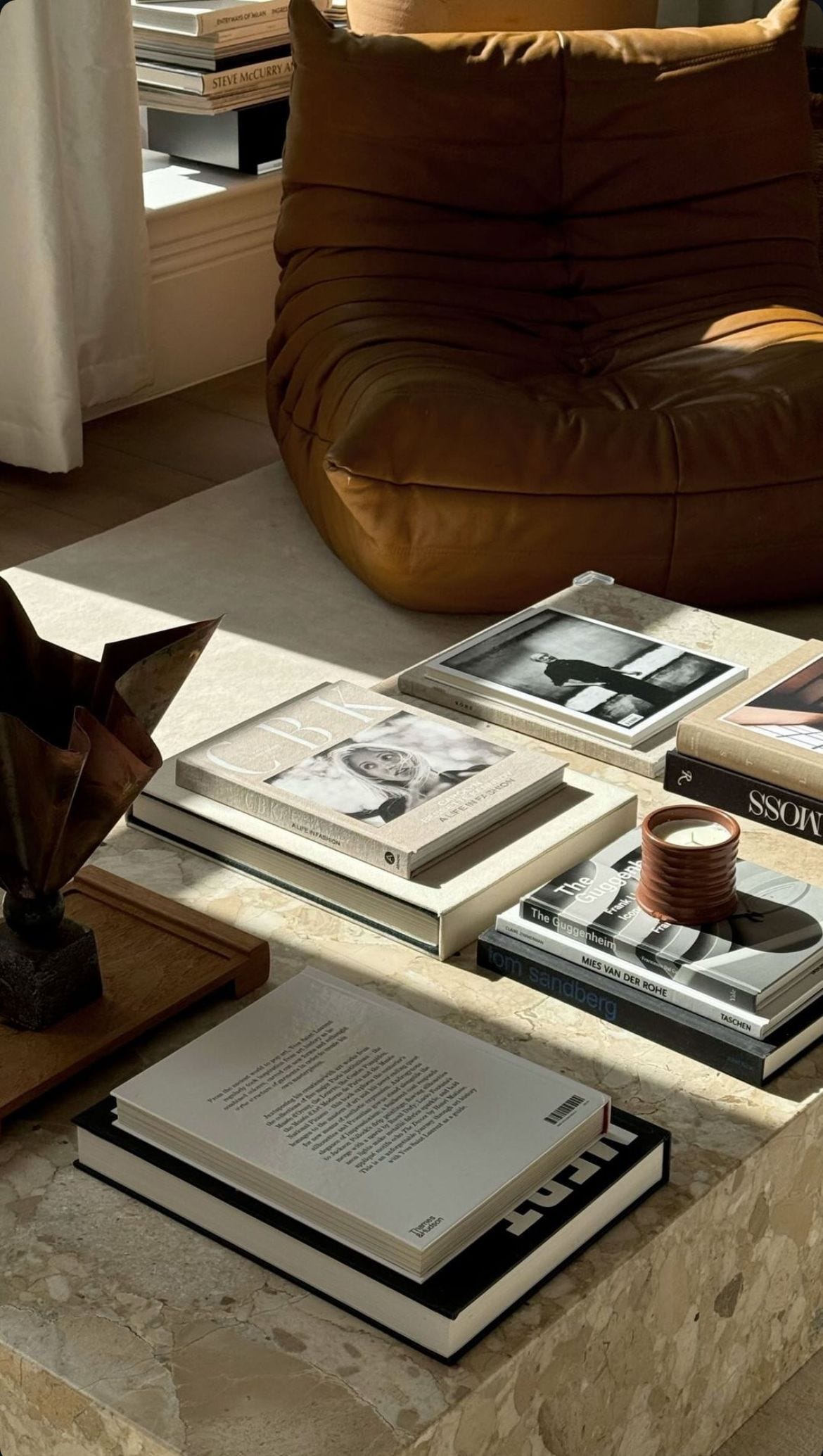
I also draw from a large archive of images I have collected over the years. Since childhood, I had a vague sense that I would one day be in fashion. So I kept saving design references simply because I loved them.
To be honest I have collected so much that I often want to release far more pieces than I currently can. The only thing holding that back is resources.
Inspiration also comes from shopping, from revisiting garments I once wore, and from looking closely at pieces made by other brands.
Sometimes films help. Sometimes weird dreams do too.

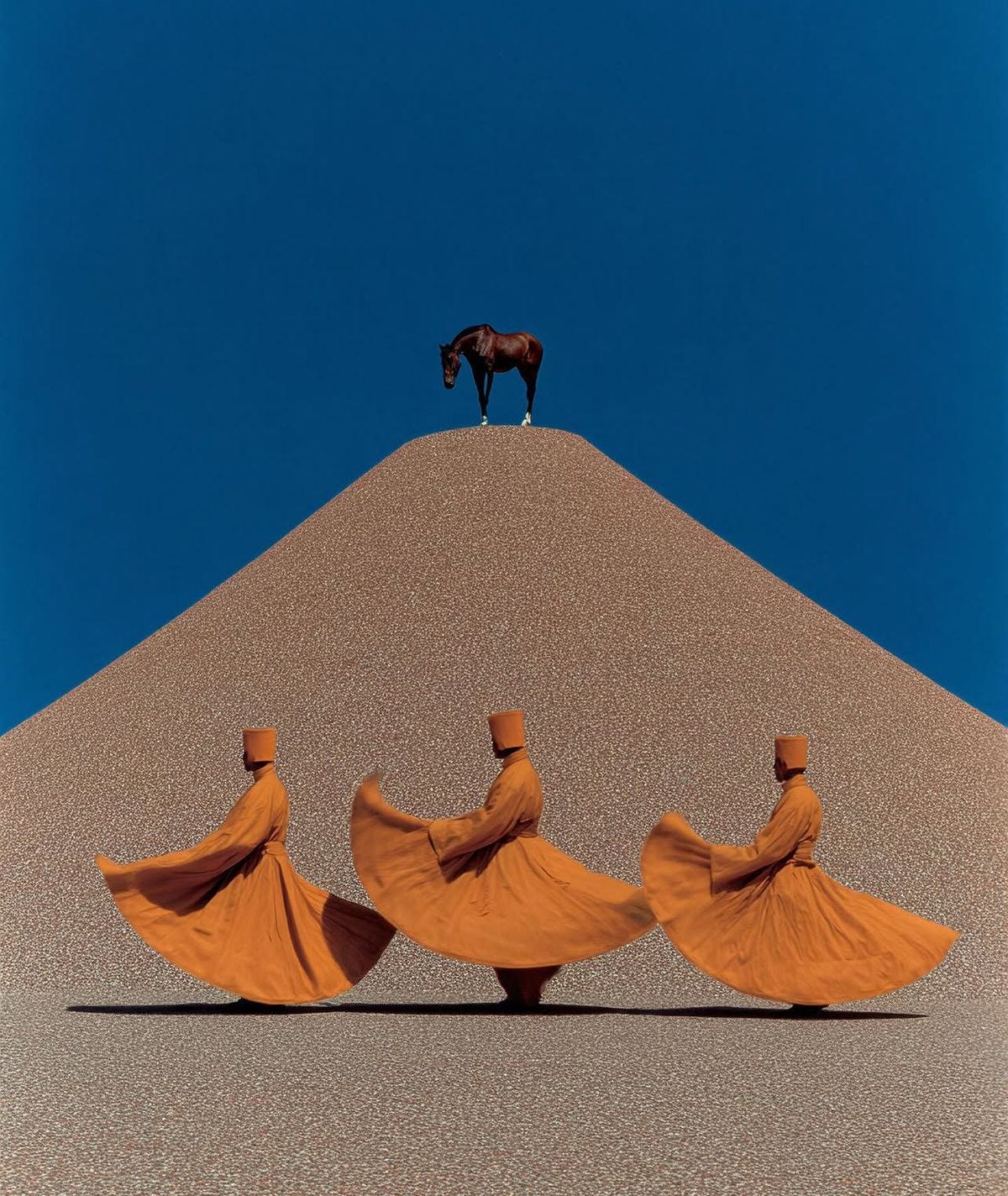
And unexpectedly some of the strongest inspiration comes not from clothes at all, but from nature, architecture, and contemporary art.
I came to see these as valuable sources of reference so engaging with them has become part of my routine.
Still, design alone does not complete a garment.
There has to be another step — the step that turns an idea into form.
For ARCHENIS, that process begins with the pattern.
Pattern
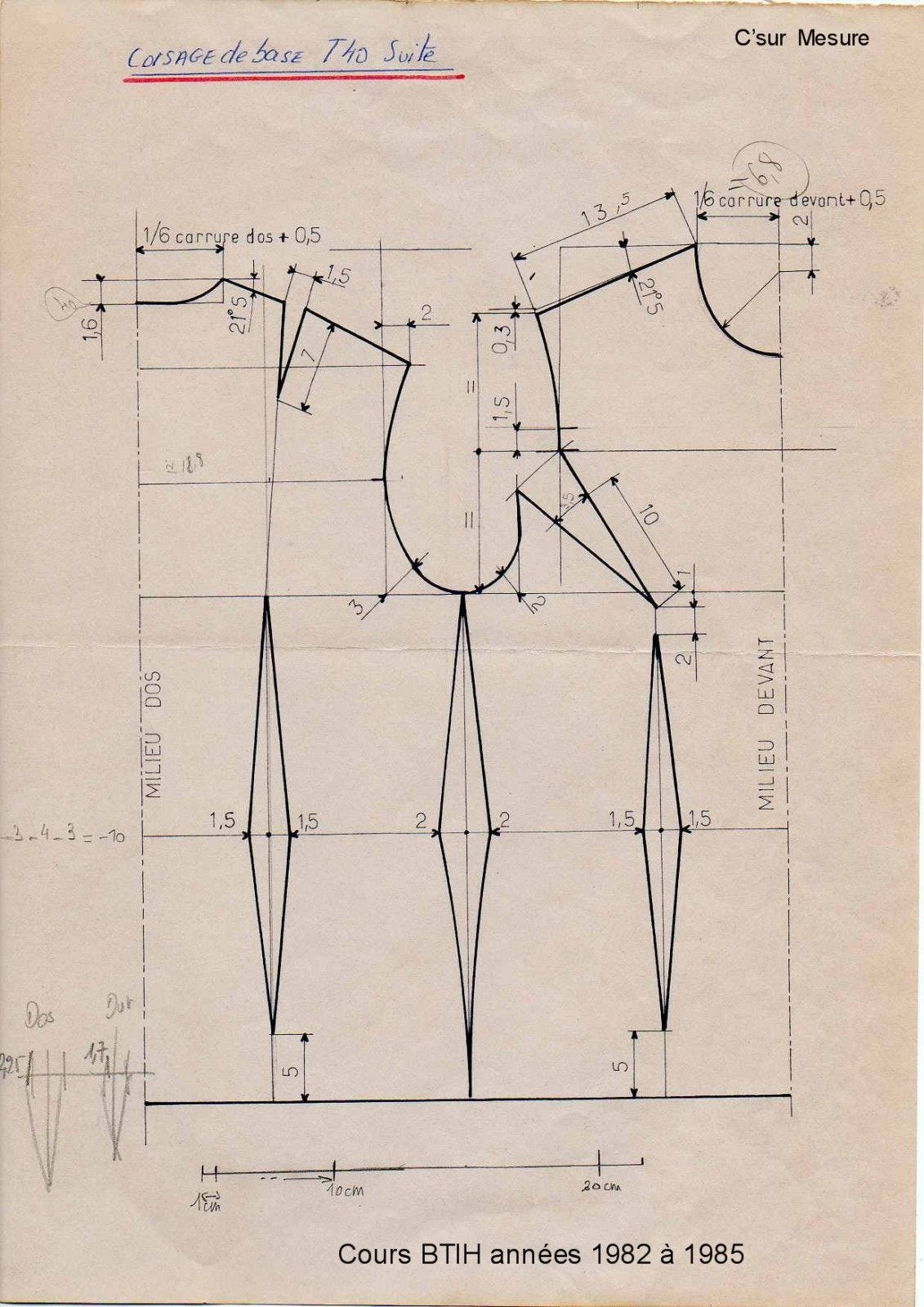
When people hear the word pattern, they often think of stripes or checks.
But in fashion pattern also means the blueprint of the garment itself.
If design is the rendering pattern is the construction drawing.

There is always a gap between a rendering and reality.
A rendering always looks impressive. It always feels complete.
But once the work of engineering and execution begins, the distance between first impression and final result can be much larger than expected.
Clothing is no different.
At the design stage curves and silhouettes can look beautiful. But in actual production, they may prove impossible. Or even if they are technically possible, the structure and labor involved may lead to a completely different result.
That is why good clothing is never completed by design alone.
It only takes shape when design and pattern are working together.
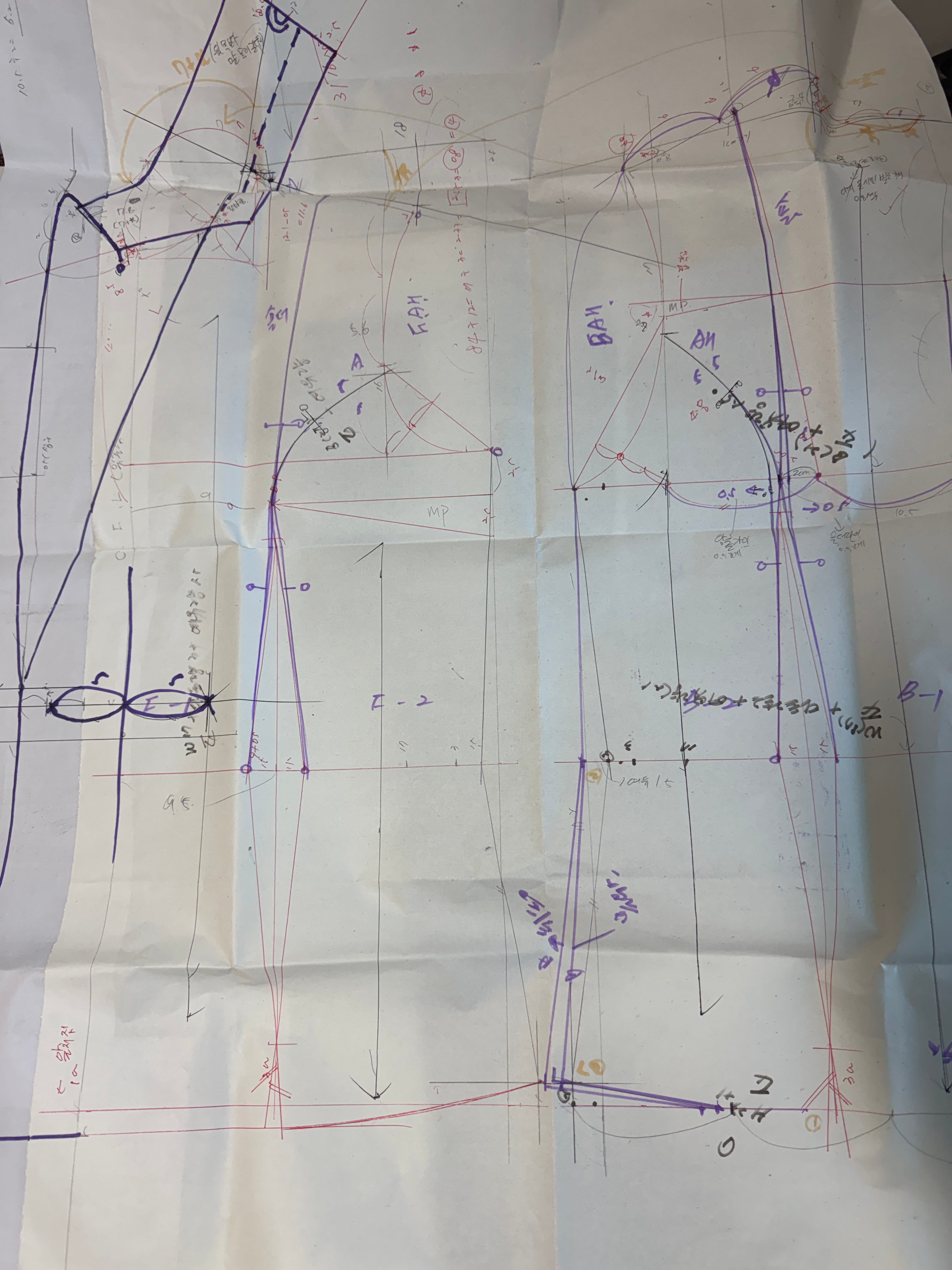
Pattern work is a precise process of making design real.
It includes not only basic dimensions such as sleeve length or body length, but also highly technical decisions like armhole adjustment for mobility, shoulder construction for the intended silhouette, and balance through the rise and seat.
Even a difference of one centimeter can change the entire impression of a garment.
Pattern also has to be considered together with fabric.
The same pattern can produce a completely different result depending on the fabric used.
As we saw earlier fabric weight, drape, elasticity, recovery, and fiber composition all have a direct effect on silhouette.
Grading
From there the base pattern is expanded into multiple sizes through grading.
This is never done mechanically.
For each garment, we decide how much variation should be given to each area, which parts should grow more as the size increases, and which should change more subtly. In other words, the grading rules are set differently depending on the garment itself.
Only when design, pattern, and fabric work in balance can a garment truly come into being.
Not as an image in the imagination but as a real form.
That is why ARCHENIS never treats design, pattern, and fabric as separate things. We approach them as one structure.
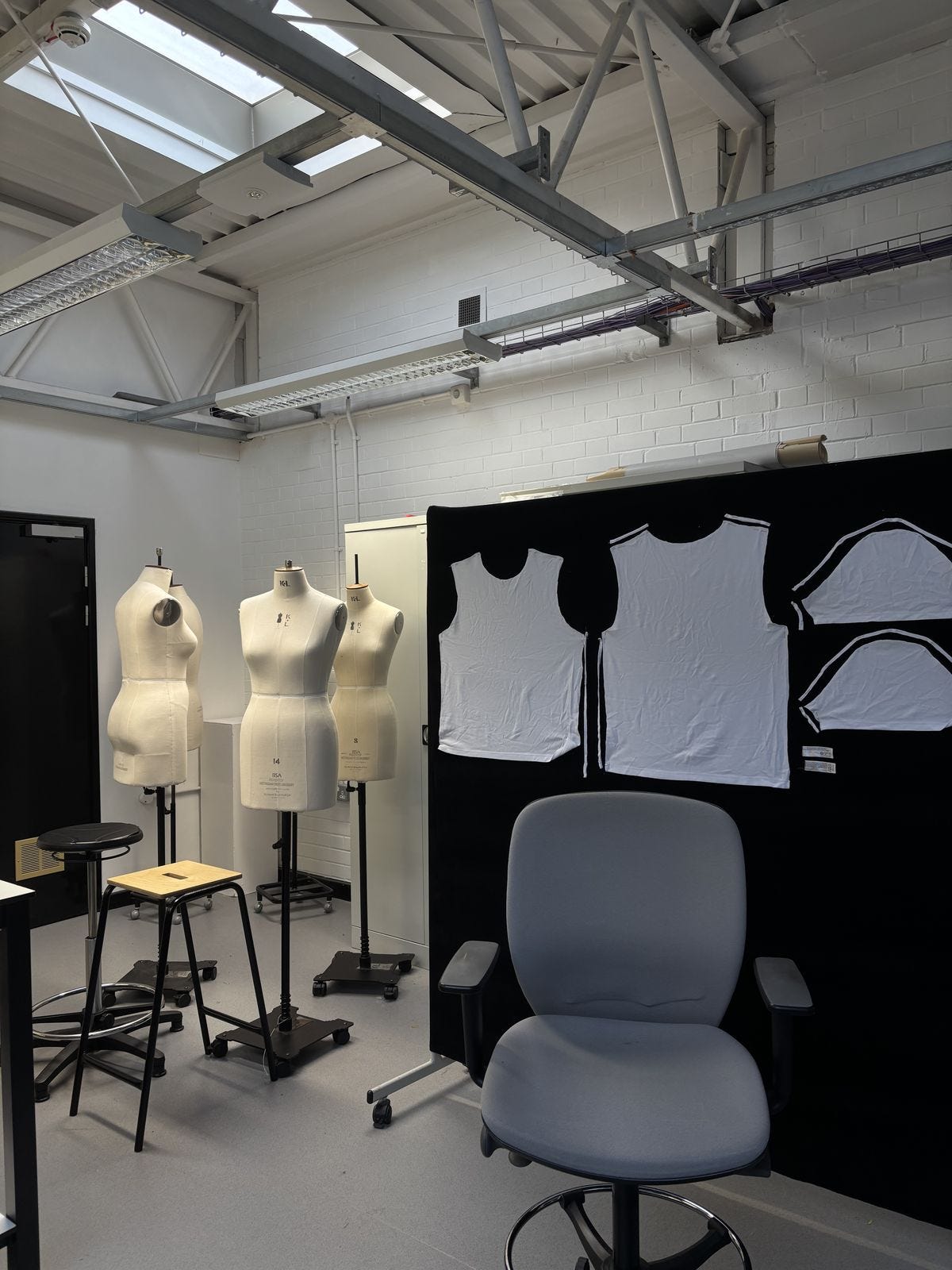
This part of the process is developed together with modelists.
A modelist who gained experience in Italy and has worked with major domestic fashion conglomerates,
My pattern-making tutor, with a nationally certified modelist with over fifty years of experience who has collaborated with ‘Ju**.*’ and hundreds of brands.
We also work with a modelist involved with ADER***** and with one of the most talked-about Korean designers brand Kimhe*** working internationally today.
This process is never the work of ARCHENIS alone.
We develop patterns together with experienced modelists refining and testing continuously so that each design can take its best possible form in reality.
→Next Article